Finalrentals Blog


Published in Car Rentals Category.
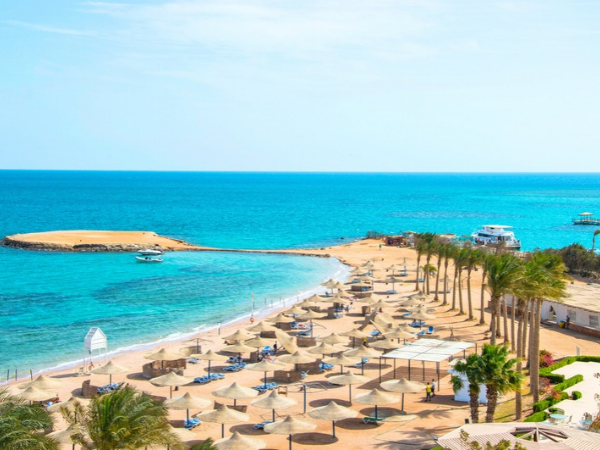
Renting a car in Egypt gives you the absolute freedom to explore ancient landmarks, sprawling coastal resorts, and scenic desert highways on your own flexible schedule. Taking a road trip along the Red Sea coast or exploring historical sites at your own pace is an incredible way to travel, but standing at the rental counter after a long flight can quickly turn into a high-pressure sales negotiation. Rental agents at major transport hubs in Cairo, Hurghada, and Sharm El Sheikh are highly trained to pitch extra fees, optional coverages, and unnecessary equipment add-ons to your bill before handing over the keys.
Driving in Egypt presents unique local road conditions, ranging from dense urban traffic to long stretches of remote desert highway. While advertised base rates often serve as hook pricing, agents face strong financial incentives upon your arrival to bundle unnecessary extras onto your contract. They frequently frame these add-ons as essential for safety or mandatory under local policy, but many exist purely to expand profit margins. Distinguishing between genuine necessity and aggressive upselling before signing ensures you pay only for what you truly require.

What are the Common Car Rental Upsells
When you pick up your rental car in Egypt, the representative will walk you through a series of optional upgrades and add-ons. To make informed choices, it is vital to understand what each of these products actually provides.
Insurance Upgrades
Agents will actively push premium insurance add-ons such as Super Collision Damage Waiver, tyre and windshield protection, and complete zero-deductible coverage. Counter staff often emphasise chaotic traffic conditions or potential gravel damage on desert highways to persuade you that basic baseline protection leaves you dangerously exposed to massive financial penalties.
Technology Add-Ons
Rental desks regularly attempt to add standalone GPS units or portable mobile Wi-Fi hotspots to your daily rental agreement. These items incur fixed daily surcharges that accumulate rapidly, often surpassing the total cost of purchasing a generous local cellular data plan for your entire journey.
Roadside Assistance
This specific policy extension promises extended breakdown assistance, battery jump-starts, rapid flat-tyre replacements, and key lockout support. Although this sounds reassuring for long-distance driving, fundamental emergency assistance is generally included in standard contracts or accessible through premium travel insurance schemes.
Additional Driver Fees
Registering a partner, relative, or travelling companion as a second driver almost always incurs an additional daily charge per person. Desk agents frequently encourage adding extra drivers under the guise of convenience, even when a single individual intends to handle all the driving duties throughout the trip.
Child Car Safety Seats
Families travelling with toddlers or young children will find rental desks offering child safety seats for an extra daily hire rate. Over a two-week itinerary, the total rental fee for a single seat routinely exceeds the retail purchase price of buying a brand-new seat directly from a shop.

Which Add-Ons to Avail vs. Which to Skip
Navigating the array of extras comes down to identifying which services provide real value for your journey and which exist primarily to boost the rental company's profits. You need to weigh the potential costs against the convenience the products provide.
Necessary Items
When evaluating options at the counter, your primary focus should be securing legally mandatory coverages and fundamental vehicle protections. Basic Third-Party Liability (TPL) is strictly required by law across Egypt, ensuring that you have baseline financial coverage for damage or injury caused to other parties. Additionally, purchasing a Collision Damage Waiver (CDW) is strongly recommended. CDW places a maximum limit on your personal financial liability if the vehicle suffers bodywork damage, minor scrapes, or structural harm in local traffic conditions.
Skippable Extras
Several add-ons sold at the counter offer negligible value and should be firmly rejected. Standalone GPS units should be skipped, as outdated hardware and steep daily rental charges make them completely obsolete compared to modern smartphone mapping apps. Portable Wi-Fi hotspots should also be declined, as buying a local Egyptian mobile phone SIM card or digital eSIM at the arrivals hall provides vastly superior data connectivity for a fraction of the price.
Conditional Fees
Certain extras depend entirely on your specific itinerary, coverage arrangements, and travel plans. A Super Collision Damage Waiver is conditional; it provides valuable peace of mind if you plan to navigate heavy urban congestion in central Cairo, but it can be skipped if you already hold independent excess cover or primary credit card protection. Premium roadside assistance is only worth considering if your route involves driving extended distances through isolated desert highways, whereas standard city and coastal routes rarely warrant the extra fee.
Similarly, renting child safety seats from the desk is optional; bringing your own certified seat from home or checking one with your airline for free is far more economical than paying cumulative daily rental rates. Finally, paying an additional driver fee is conditional on whether multiple travellers will genuinely share driving duties, as unlisted drivers are completely uninsured under local contracts.
Simple Tips to Avoid Unnecessary Upsells
Avoiding unnecessary charges begins long before you reach the rental desk. Careful preparation and clear communication will protect you against common sales tactics. Here are some simple tips to follow:
First, verify your existing insurance policies before leaving. Confirm whether your credit card or independent travel insurance covers car rentals in Egypt. If they do, ask for written proof of coverage and present a printed copy once you arrive at the rental desk. Agents usually don’t push for upgrades if you have enough coverage.
Second, ensure your connectivity immediately upon arrival. Purchase a local Egyptian prepaid SIM card from a kiosk inside the airport’s arrivals hall. Having an active mobile data plan allows you to stay connected and utilise navigation platforms on your phone, completely bypassing the need for renting a GPS unit.
Third, conduct a thorough vehicle inspection during collection. Carefully check the car’s exterior and interior with the rental staff and take clear, time-stamped photographs or videos. Focus on vulnerable car parts, such as tyres, glass, and the undercarriage, ensuring that every pre-existing damage is noted by the agent on the official report.
Fourth, meticulously check the terms of your rental agreement. Confirm all the inclusions and provisions such as unlimited mileage and a Full-to-Full fuel policy. Also, verify the rules on cancellations, late returns, roadside assistance, cleaning fees, and prohibitions, such as geographical or border restrictions.
Lastly, maintain a polite but firm stance when declining upsells. Rental agents may sometimes frame optional upgrades and extras as necessities, but you can confidently and respectfully turn them down. Make sure that no product is added to your contract or itemised bill without your consent.

Frequently Asked Questions on Car Rental Upsells
Should I pay for a GPS unit from the rental company? Renting a dedicated GPS unit is an unnecessary expense because daily rental fees quickly accumulate beyond reason. Using offline mapping applications on your mobile phone via a cheap local Egyptian SIM card offers far superior navigation.
Can we skip the fee if another person wants to drive? You should never allow an unlisted person to drive, even for short distances, because doing so completely voids your insurance policy. If multiple travellers intend to handle the wheel, paying the official daily extra driver surcharge is a necessary safety precaution.
Can I use my credit card coverage to decline the local policy? Many premium credit cards provide international collision coverage, but you must decline the rental company's optional CDW to activate it. Always verify your card issuer's specific policy terms beforehand to confirm that international rentals in Egypt are fully covered.
Are insurance upgrades required when I book a car in Egypt? No, desk agents often present Super CDW as a requirement, but only basic Third-Party Liability is legally mandatory. You can safely decline zero-deductible upgrades if you already hold independent excess coverage or primary credit card insurance.
Do I need to buy the agency’s premium roadside assistance? Standard emergency breakdown assistance is typically included in your base rental contract or provided by your credit card issuer. Purchasing premium roadside cover is generally only advisable if you plan on undertaking long solo journeys across remote desert routes.
Book a Rental Vehicle for Your Egyptian Adventure
Navigating the car rental process in Egypt does not need to be a stressful experience. By taking the time to understand which coverages are genuinely necessary for local road conditions and firmly turning down redundant products, you retain full control over your travel budget. Having clear knowledge of counter operations transforms vehicle collection into a smooth, transparent process.
With proper planning, you unlock unparalleled access to iconic historical wonders and breathtaking coastal drives on your own terms. Prepare your documentation ahead of time, secure your own navigation tools, and book your vehicle today to enjoy the open road as you explore Egypt with complete peace of mind.