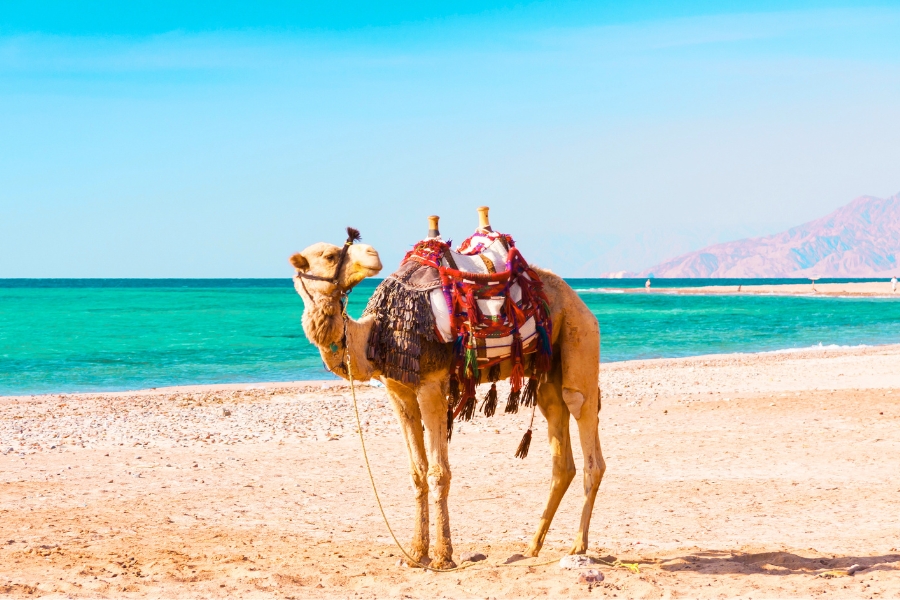
Stretching along the eastern margin of Egypt, where the desert sands merge with turquoise waters, lies one of North Africa's most breathtaking driving routes. A Red Sea road trip offers an extraordinary journey that contrasts dramatic mountain peaks with coral-rich waters. While most international visitors experience Egypt's coastal gems confined to static resort itineraries, taking to the open highway grants complete independence to uncover secluded beaches, historic coastal settlements, and world-class diving spots at your own pace. The coastal highways along the Red Sea are among the best-maintained roads in the nation, offering a smooth driving experience away from the bustling urban traffic of major metropolitan hubs.
From the manicured lagoon channels of El Gouna to the untouched marine sanctuaries of Marsa Alam, this coastal drive presents an ideal balance of luxury, culture, and natural beauty. Navigating this corridor allows travellers to design an adaptable schedule, combining morning desert excursions with afternoon coastal drives and evening seafood dining along marina promenades. Whether you are an experienced scuba diver, an avid windsurfer, or a traveller seeking pristine shorelines, embarking on a self-drive adventure down the Egyptian coast delivers an unforgettable journey.

Thorough preparation ensures a seamless journey along the coast. Understanding local driving requirements, selecting appropriate timing, and packing the necessary essentials will allow you to navigate the route with confidence.
Timing plays a fundamental role in the overall comfort of your trip. The autumn and spring months, running from October through April, represent the optimal window for a coastal driving holiday. During this period, daytime temperatures hover comfortably between 20 and 28 degrees Celsius, creating ideal conditions for long drives, outdoor exploration, and water activities.
The summer months, extending from May to September, bring intense heat, with temperatures frequently surpassing thirty-five degrees Celsius. While coastal breezes provide some relief along the immediate shoreline, driving during the peak afternoon hours in mid-summer requires reliable vehicle air conditioning, heightened attention to engine coolant levels, and continuous hydration.
Foreign visitors planning to drive in Egypt must possess specific legal documentation. You must carry a valid domestic driving licence alongside an International Driving Permit. Carrying both documents is mandatory, as local police checkpoints will inspect them together.
In addition to driving credentials, ensure your passport remains valid for at least six months beyond your intended stay. Keep physical copies of your tourist visa, vehicle registration papers provided by the car hire company, and written authorisation demonstrating permission to operate the vehicle across provincial boundaries.
Equipping your vehicle with essential supplies ensures safety and comfort across remote stretches of highway. Download offline maps onto your primary navigation device prior to departure, as cellular coverage can occasionally fluctuate between regional towns. Bring a high-output vehicle phone charger and a sturdy dashboard phone mount.
Pack ample drinking water, non-perishable snacks, and an emergency roadside assistance kit. Sun protection is essential along the coast; carry high-factor reef-safe sunscreen, polarised sunglasses, and protective headwear. For water activities, bring your own snorkelling equipment, water shoes for rocky entries, and quick-drying travel towels. Keep a supply of local currency in cash for small purchases and toll payments.
Selecting the right vehicle depends on your itinerary. Standard saloon cars or compact crossovers are entirely suitable for driving the main paved highways connecting El Gouna, Hurghada, and Marsa Alam. A four-wheel-drive vehicle is only necessary if you intend to participate in authorised off-road desert safaris, which generally require certified local guidance.
When booking your rental vehicle, opt for comprehensive insurance coverage including Collision Damage Waiver and Third-Party Liability. If you plan to collect your vehicle at Cairo International Airport and drive south towards the coast, confirm that your rental agreement permits one-way drop-offs at coastal airport hubs such as Hurghada or Marsa Alam. Inspect the vehicle thoroughly before departure, checking tyre pressure, spare tyre condition, and fluid levels.
Driving in Egypt follows standard right-hand traffic rules. Automated radar systems and mobile traffic patrols strictly enforce speed limits along the coastal highway. Standard speed limits are set at one hundred and ten kilometres per hour on main open highways and sixty kilometres per hour within built-up urban zones.
Official security checkpoints operated by police and military personnel are situated along major arterial roads and town entrances. Approach these checkpoints slowly, dim your headlights if travelling at night, and remain seated while displaying your identification documents clearly. Exercise extra caution when driving at night, as unlit vehicles, wandering livestock, and sudden speed bumps can present hazards on less illuminated road segments.

This structured itinerary leads you southward along the coastline, highlighting the distinct atmosphere and key attractions of each coastal destination.
Your journey begins in El Gouna, a modern resort town built around picturesque lagoons and waterways. Known for its environmental initiatives and upscale architecture, El Gouna offers a relaxed setting to adjust to local driving conditions before setting out on the main highway. Spend your first day wandering around Abu Tig Marina, taking a boat tour through the inner channels, or experiencing kitesurfing at Northern Mangroovy Beach.
Leaving El Gouna, head south along the coast for approximately thirty kilometres to reach Hurghada, a drive taking roughly thirty minutes. Hurghada is the largest urban centre along the Egyptian Red Sea, combining lively resort districts with traditional commercial neighbourhoods.
Explore the modern Hurghada Marina promenade, flanked by waterfront restaurants and sailing yachts, and visit the nearby Al Mina Mosque. In the afternoon, explore the traditional spice markets and local eateries in El Dahar, the city's historic old town quarter. Hurghada also serves as the primary departure point for day trips to Giftun Island and Mahmya Beach.
From Hurghada, continue south for thirty-five kilometres to the resort enclaves of Sahl Hasheesh and Makadi Bay. This gentle thirty-minute drive takes you into a quiet area known for long stretches of sandy beach and peaceful waterfront boardwalks.
Sahl Hasheesh features a twelve-kilometre pedestrian boardwalk perfect for cycling or late afternoon walks. Snorkellers can explore the Sunken City, an underwater architectural feature located just off the shore that attracts diverse marine life. Makadi Bay offers calm, shallow waters suitable for swimming and paddleboarding.
Continuing south for thirty kilometres, approximately thirty minutes of driving brings you to Safaga. Unlike the purpose-built resort towns further north, Safaga is an authentic port town surrounded by dramatic mountain backdrop views. Safaga is internationally recognised for its wind conditions, making it a hub for windsurfing and kitesurfing enthusiasts. The town is also famous for black sand beaches and mineral-rich waters. Boat excursions from Safaga harbour provide access to Tobia Island, a sandy offshore cay surrounded by shallow coral reefs ideal for intermediate diving and snorkelling.
The drive from Safaga to El Qoseir spans approximately eighty kilometres of open coastal highway, requiring roughly one hour of driving time. As you travel south, modern resort developments give way to historical sites and traditional coastal architecture. El Qoseir boasts over five hundred years of recorded history as a key port along ancient trade routes.
Visit the sixteenth-century Fort of Sultan Selim, which overlooks the central harbour and contains exhibits detailing regional maritime history. Stroll through the old town quarter to observe classic coral-stone buildings featuring traditional wooden mashrabiya lattice windows. The fringing reefs surrounding El Qoseir offer exceptional shore-entry diving with minimal crowds.
The final leg of the journey covers one hundred and thirty-five kilometres from El Qoseir down to Marsa Alam, taking approximately ninety minutes. This peaceful stretch of highway runs parallel to pristine coral reefs and open desert terrain. Marsa Alam serves as the gateway to Egypt's far southern marine sanctuaries.
Visit Abu Dabbab Bay to swim alongside resident green sea turtles and dugongs in their natural habitat. Allocate time to explore Wadi El Gemal National Park, a protected terrestrial and marine reserve encompassing mangroves, desert valleys, and ancient emerald mining ruins. Experienced divers can arrange boat charters to offshore sites such as Elphinstone Reef and Sataya Dolphin Reef.

Cash Readiness: Electronic card readers at remote petrol stations, roadside cafes, and highway toll booths frequently experience network connectivity issues. Always carry a sufficient supply of Egyptian Pounds in physical cash to handle minor transactions and entrance fees seamlessly.
Fuel Management: Modern service stations are located near major towns, but distances between refuelling stops increase significantly as you travel south of Safaga. Make it a habit to top up your tank whenever your fuel gauge drops to half capacity to avoid running low along isolated stretches of highway.
Mobile Connectivity: Purchasing a local Egyptian SIM card with an ample data allowance at your arrival airport ensures consistent access to live GPS navigation and traffic updates. Having active cellular service also enables you to contact roadside assistance or accommodation providers if your plans change while on the road.
Checkpoint Protocol: Security checkpoints operated by local traffic police are a standard, routine feature along major arterial roads and regional borders. Approach these checkpoints slowly, keep your interior lights on if driving after dark, and keep physical copies of your driving licence, passport, and vehicle registration ready for inspection.
Daylight Driving: It is strongly recommended to complete the majority of your long-distance highway travel during daylight hours. Night driving along certain rural segments can present unexpected hazards such as unlit vehicles, wandering livestock, or poorly marked speed bumps.
Sun Protection: The desert coastline receives intense sun exposure year-round, which can cause significant glare and vehicle cabin heating during long journeys. Equipping your car with a windshield sunshade, keeping plenty of bottled drinking water on hand, and wearing polarised sunglasses will keep you comfortable behind the wheel.

Is it safe to drive along the Red Sea route in Egypt? Yes, driving along the Red Sea coast is widely considered safe for international tourists, as the highways are well-maintained and regularly patrolled. Security checkpoints are a standard routine throughout the region, providing a visible security presence for travellers.
Can I drive from Cairo directly to the Red Sea coast? Yes, you can easily drive from Cairo to the coast via the Katameya–Sokhna Highway, which connects to the main Red Sea coastal road. The total journey from Cairo to Hurghada takes approximately four to five hours along well-paved expressways.
Do I need a four-wheel-drive vehicle for a Red Sea road trip? A standard two-wheel-drive saloon or crossover is completely sufficient for driving along the paved coastal highway and visiting major resort towns. A four-wheel-drive vehicle is only necessary if you plan to venture off-road on authorised desert safaris.
How do police checkpoints work along the coastal highway? Checkpoints are located at major municipal boundaries and highway entry points to monitor traffic safety. Simply slow down as you approach, keep your interior lights on at night, and present your documents to the duty officer upon request.
What documents are required to rent and drive a car in Egypt? You will need your original domestic driving licence, a valid International Driving Permit, and your passport. Additionally, keep physical copies of your vehicle hire agreement and registration documents in the car at all times.
What are the general speed limits along the Red Sea highway? Speed limits along main open highways are typically set at 90 to 100 kilometres per hour, dropping to 60 kilometres per hour within urban areas. Automated speed radars are actively used along the route, so it is essential to monitor your speedometer closely.
Embarking on a road trip along Egypt’s Red Sea route delivers a coastal journey quite unlike any other, seamlessly blending the thrilling freedom of the open road with world-class maritime adventure and centuries of rich history. Traversing this scenic corridor allows you to set your own pace, moving fluidly from the refined lagoon channels of El Gouna and the bustling resort energy of Hurghada down to the ancient coral-stone alleyways of El Qoseir and the pristine, untouched aquatic sanctuaries of Marsa Alam.
By embarking on a driving adventure rather than remaining confined to a single resort, you unlock direct access to hidden shoreline entry points, authentic local seafood dining, and secluded desert-meets-sea landscapes that standard tours simply pass by. So, book your rental car today and transform your simple vacation into a deeply memorable Egyptian expedition.