Finalrentals Blog

Published in Explore Category.
Most travellers are inevitably drawn to the ancient Pyramids of Giza and the timeless currents of the Nile. However, beyond these iconic desert landscapes lies a lesser-known paradise: Egypt’s breathtaking Mediterranean coast. Stretching along the northern region of the country, this sun-kissed coast boasts crystal-clear waters meeting the white sands.
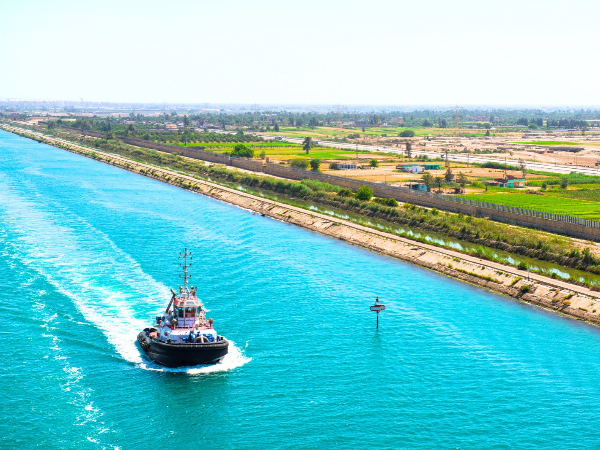
At the heart of this region is the International Coastal Road, an expansive highway that spans approximately 758 kilometres along the northern coastline. Beginning near the Suez Canal region in the east, this road passes through historic ports and vibrant resort regions before sweeping west to quieter borders.
Embarking on a Mediterranean driving adventure along this route grants you access to an incredible cross-section of Egyptian heritage. You will discover a seamless blend of Greco-Roman history, evocative Second World War battlefields, modern seaside luxury, and serene natural coves, making it one of North Africa’s most rewarding road trips.
Why Drive Along the Mediterranean Coast
Choosing to explore Egypt’s Mediterranean coastline by car offers an unparalleled sense of freedom and flexibility. Rather than adhering to rigid tour bus timetables or missing out on remote viewpoints, having your own ride allows you to curate your journey, follow your own pace, and take spontaneous detours.
Furthermore, this coastal corridor showcases a diverse tapestry of attractions that few other routes can match. In a single journey, you can transition from the cosmopolitan, historical streets of Alexandria to the solemn war memorials of El Alamein, followed by the pristine, turquoise waters of Marsa Matruh.
Navigating between these distinct environments is made exceptionally easy by modern infrastructure. Well-maintained multi-lane highways and broad bypasses line the coast, ensuring that long-distance driving remains smooth. Above all, driving parallel to the Mediterranean provides continuous, breathtaking views of the horizon.

How to Plan Your Mediterranean Getaway
Pick the Ideal Timing
Timing is essential when planning your coastal expedition. June to August represent the peak season, when the elite resort areas along the North coast burst into life with high-end beach clubs and vibrant night markets. However, these summer months also bring tourist crowds, heavier traffic, and significantly higher accommodation and car rental rates.
Meanwhile, winter, running from November to March, brings cooler weather, fewer tourists, and lower prices, which appeals to budget travellers seeking quiet roads and peaceful exploration. However, it is not suitable for swimming or sunbathing, with strong winds and unpredictable rain and storms.
For the most balanced conditions, you should travel during spring, spanning April to May, and autumn, from September to October. During these shoulder seasons, temperatures remain pleasantly warm without becoming uncomfortably hot, making sightseeing enjoyable and keeping highway traffic manageable.
Set a Week-Long Trip
To truly immerse yourself in the rich history and coastal landscapes of Northern Egypt without feeling rushed, allotting five to seven days for your Mediterranean road trip is highly recommended. This duration allows two days to explore the heritage of Alexandria, a day dedicated to the military heritage and luxury resorts of El Alamein, and two to three days relaxing on the exquisite beaches around Ras El Hekma and Marsa Matruh.
Choose the Right Car
Selecting the right rental vehicle ensures a comfortable and seamless journey across varying driving conditions. A standard sedan or mid-size SUV is ideal for this trip. These vehicle classes offer air conditioning, comfortable seats, and ample boot space for luggage and beach gear.
When it comes to vehicle transmission, choosing an automatic car is highly recommended. While driving along the coastal highway is typically smooth, navigating the dense urban traffic of major cities like Alexandria requires frequent stopping and starting, which is far less tiring in an automatic vehicle.

What are the Mediterranean Coast Gems
Stop 1: Alexandria
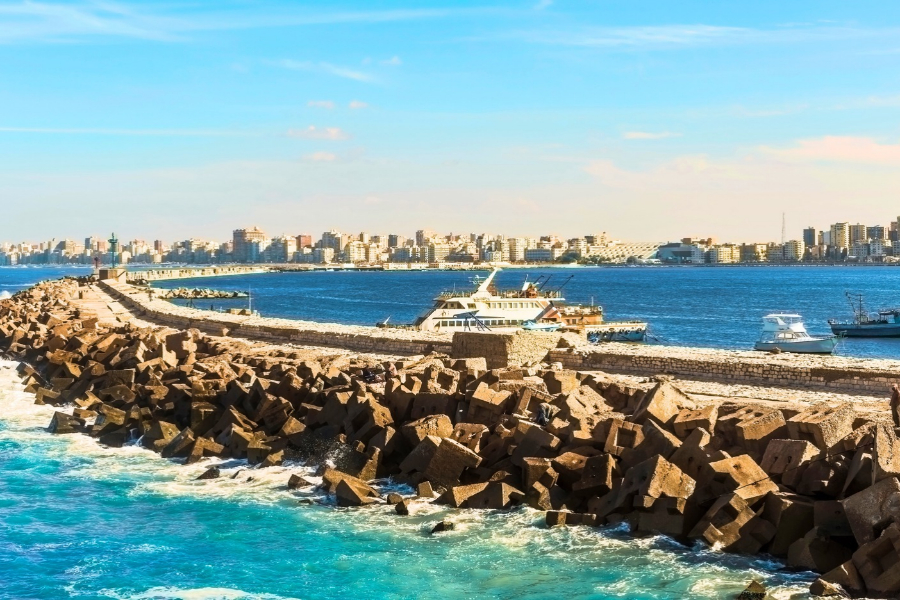
Your journey begins in Alexandria, known as the Pearl of the Mediterranean. This historic city radiates a distinct Greco-Roman charm mixed with bustling urban vibes. Some of the must-see sights include the magnificent Bibliotheca Alexandrina, a commemoration of an ancient library, and the 15th-century Citadel of Qaitbay, built directly on the site of the ancient Pharos Lighthouse.
Underground, the Kom El Shoqafa Catacombs offer a fascinating fusion of Egyptian, Greek, and Roman funerary art. For a quintessential experience, drive along the famous Corniche waterfront. This busy thoroughfare offers sweeping sea views, historic cafes, and grand 19th-century facade architecture.
Stop 2: El Alamein
Heading west from Alexandria brings you to El Alamein. During the Second World War, this town became the site of pivotal battles that altered the course of the conflict. Visitors can pay their respects at the Commonwealth War Cemetery, as well as the nearby Italian and German military memorials. The El Alamein Military Museum offers rich historical context, displaying military vehicles, weapons, and uniforms from the North African campaigns.
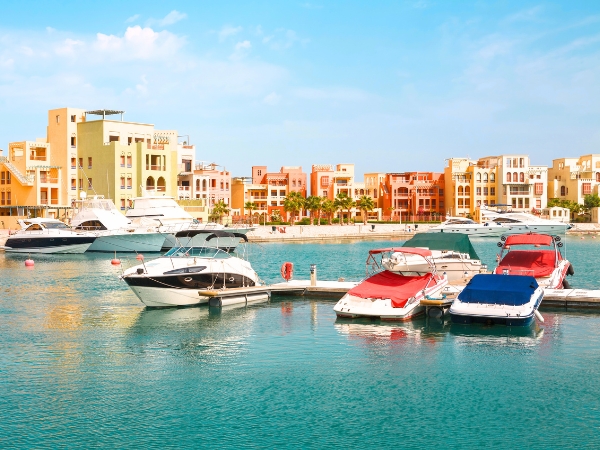
In striking contrast to its historic past, El Alamein also serves as the gateway to Sahel, Egypt’s premier luxury resort district. Sweeping marinas, upscale residential compounds, and private beach resorts line this section of the coast, providing world-class dining, golf courses, and private beaches.
Stop 3: Ras El Hekma
Continuing westwards, the landscape becomes increasingly untouched as you approach Ras El Hekma. This peninsula is renowned for its series of naturally sheltered coves, soft white sands, and remarkably clear turquoise waters. It serves as an ideal mid-journey pitstop for a leisurely lunch or a refreshing afternoon dip away from the busier resort hubs. The calm conditions here make it one of the finest places on the northern coast for taking in the pristine beauty of the sea.
Stop 4: Marsa Matruh
Further west lies Marsa Matruh, a coastal town famous for its legendary harbours and shorelines. Cleopatra’s Beach features a striking rock formation enclosing a sunlit natural pool where waves crash against outer stone barriers. According to local lore, Cleopatra herself bathed in these pools. Nearby, Rommel’s Cave Museum, used as headquarters by Field Marshal Erwin Rommel during WWII, provides a glimpse into wartime logistics.
The jewel of Marsa Matruh is Agiba Beach, meaning "miraculous" in Arabic; it is a small, dazzling cove framed by dramatic limestone cliffs. The gradient of deep blue to pale turquoise water visible from the cliff tops makes it one of the most photographed locations in the country.
Stop 5: Sallum
For adventurous drivers seeking true solitude, continuing past Marsa Matruh towards Sallum offers a rewarding extension. This westernmost stretch of the International Coastal Road leads towards the Libyan border, cutting through vast coastal plateaus and open terrain. The drive provides a grand sense of remoteness, with long stretches of empty highway set against the backdrop of the Mediterranean.

Simple Tips for Mediterranean Road Trips
Secure the Requirements
Before setting out on your Mediterranean driving adventure, you need to secure all the required documents. To legally drive in Egypt, you must carry a valid driving licence from your home country alongside an International Driving Permit (IDP). You should also keep your original passport, visa, rental agreement, and official vehicle registration inside the car at all times, as these are regularly checked at security checkpoints.
Follow Local Speed Limits
Local speed limits are strictly enforced via fixed radar cameras and mobile monitoring units along the International Coastal Road. Pay close attention to posted speed signs, which typically range between 90 km/h and 100 km/h on open highways. Use mobile navigation applications to track real-time traffic conditions and monitor upcoming toll plazas.
Observe the Local Culture
Adapting to local driving culture is essential for a safe journey. Expect a lack of lane discipline in urban centres like Alexandria, where mini-buses and taxis change lanes frequently. Always practice defensive driving and maintain a safe following distance. Additionally, stay vigilant for unmarked speed bumps, which are common when approaching town entrances, police checkpoints, or pedestrian crossings.
Be Polite to Local Officers
Security checkpoints are standard across Egyptian highways to ensure traveller safety. When approaching a checkpoint, slow down, turn on your interior light if driving at night, and wait for the officer’s signal. Keep your identification files and vehicle paperwork within easy reach. Officers are typically polite and helpful toward foreign drivers, and maintaining a cooperative and respectful demeanour ensures a smooth, quick passage.
Fill the Tank at Main Hubs
The coastal corridor is lined with modern petrol stations. Major brands operate stations equipped with full-service pumps, well-maintained restroom facilities, fully stocked convenience stores, and fast-food outlets. Despite the frequency of stations, it is good practice to fill your fuel tank whenever it falls below half, particularly when driving west of Marsa Matruh, where services become more spaced out.

Frequently Asked Questions on Mediterranean Drives
Is it safe to navigate the International Coastal Road? Yes, the International Coastal Road is well-maintained, heavily patrolled, and regularly used by locals and tourists alike. To ensure your safety, always drive defensively, obey speed limits, and avoid driving at night.
Do I need a 4x4 vehicle to drive on coastal highways? No, a standard economy car is completely sufficient for this Mediterranean itinerary. All main coastal expressways, city streets, and beach access roads are fully paved and well-maintained.
Are there tolls along the International Coastal Road? Yes, modern toll plazas operate along key stretches of the coastal highway, particularly near Alexandria and Sahel. While some gates accept card payments, it is essential to keep small denominations of Egyptian Pounds (EGP) on hand.
Can I collect a vehicle in one city and return it in another? Yes, many car rental companies permit one-way rentals between Cairo and major coastal hubs for an extra fee. Alternatively, if you want to save money, returning the vehicle to your initial pickup point in Cairo is a cheaper option.
Is night driving recommended along the coastal highway? Driving at night is generally discouraged due to unlit roads, stray animals, and variable visibility. It is best to plan your journeys during daylight hours so you can travel safely and enjoy the scenic coastal views.
What should I do when I encounter a security checkpoint? Security checkpoints are routine safety measures where officers verify driver identification and vehicle registration details. Simply slow down, keep your files and car documents ready, and proceed politely when signalled.
Book a Car for Your Mediterranean Driving Adventure
Egypt’s northern shore offers a refreshing alternative to traditional desert itineraries, delivering an unforgettable journey boasting natural wonders, historical landmarks, and vibrant culture. From the ancient streets of Alexandria and the war memorials of El Alamein to the dramatic cliffs of Agiba Beach, this route offers a different perspective on North Africa.
Dreaming of the ultimate coastal road trip? Skip the typical beach hotspots and prepare for a unique expedition packed with rich heritage and breathtaking views. Book your rental car, take the wheel, and set off on an extraordinary Mediterranean driving adventure along the sun-drenched shores of Egypt.