Driving in Egypt offers a unique experience that combines bustling city life with quiet desert roads. While many tourists prefer guided tours, a growing number of travellers choose to rent a car for the freedom to explore at their own pace. It enables adventurers to stop at roadside fruit stalls or enjoy breathtaking views of the sunset over the Red Sea mountains.
The Egyptian government has invested heavily in road improvements, creating efficient motorways for long-distance travel. However, driving in cities like Cairo can still be challenging due to its chaotic traffic. Navigating the roads requires a mix of preparation and an understanding of local driving customs. This guide provides key tips for those eager to rent a car and drive through the Land of the Pharaohs.
Before you can go behind the wheel, you must secure the requirements. Egypt is strict regarding licensing for foreign nationals. It is mandatory to carry an International Driving Permit (IDP) alongside your original driving licence. You should also always have your passport and your entry visa handy, as these are the primary documents used by the Tourist Police to verify your identity during transit between governorates.
Age is another critical requirement. While the legal driving age in Egypt is 18, most rental agencies set their own minimum at 21 years old. For larger SUVs or luxury vehicles, some firms may even require the driver to be at least 30. If you are aged 21 to 24, be prepared to pay for a Young Driver Surcharge, a daily rate that is added to your base fee.
The rental contract in Egypt is a legal document that you should review carefully. When you sit down to sign, pay close attention to the mileage policy. If you are staying within Cairo, a capped mileage agreement might save you money, but for those planning to drive to Luxor or the Red Sea, unlimited mileage is the only sensible choice. The vast distances between Egyptian cities can quickly result in high surcharges if you exceed a daily limit.
Fuel policies are typically Full-to-Full, meaning you receive the car with a full tank and must return it in the same state. Make sure to fill the tank near the airport or rental lot before drop-off to avoid exorbitant refuelling charges. Be wary of Prepaid Fuel options, as these are often priced significantly higher than the local pump rates.
Additionally, you should thoroughly inspect the vehicle. In a country where minor damages are common due to the terrain, you must document every blemish on the vehicle with high-quality photographs or video before leaving the lot to ensure you are not held liable for previous drivers' mishaps.
Insurance in Egypt usually includes Third-Party Liability (TPL) and a basic Collision Damage Waiver (CDW). However, the excess or deductible on these policies can be quite high, often reaching hundreds of dollars. For peace of mind in Egypt’s unpredictable traffic, it is highly recommended to opt for Super Collision Damage Waiver (SCDW), which reduces your liability to zero.
One crucial and often overlooked detail in insurance policies is the requirement for a police report. In the event of any accident, no matter how small, the insurance company will refuse to process a claim without an official report from the local police. If you find yourself in a fender bender, do not simply exchange details with the other driver and leave; you must wait for the authorities to arrive or visit the nearest station.
Egypt’s traffic regulations are undergoing modernisation, with the enforcement of laws becoming increasingly high-tech. New automated radar systems are now widespread on major highways and urban arteries, designed to catch speeding and other violations. Fines for these infractions have increased significantly to deter reckless driving.
Speed limits are typically 60 km/h in built-up areas, 90 km/h on rural roads, and up to 120 km/h on major desert motorways. Seatbelts are required for all passengers, and the use of hand-held mobile devices is strictly prohibited. There is also a zero-tolerance policy on drunk driving. Additionally, it is important to note that pedestrians technically have the right of way, though in practice, they often have to weave through moving traffic.
The quality of roads in Egypt varies dramatically depending on your location. The new highways are exceptional, often featuring six or more lanes with smooth tarmac and clear signage in both Arabic and English. These roads make the trek from Cairo to the coastal resorts of Hurghada or Sharm El Sheikh relatively straightforward.
Conversely, urban streets and rural agricultural roads present a different set of challenges. Unmarked speed bumps, locally known as "sleeping policemen", are a constant hazard in villages. Furthermore, driving at night is strongly discouraged outside of major cities. Many rural vehicles, including donkey carts and older trucks, operate without functioning tail lights, and wandering livestock or sudden sand drifts can appear with very little warning.

Timing your trip is essential when you plan to rent a car in Egypt. The peak travel season runs from October to April, when the weather is mild and perfect for long-distance driving. During these months, demand for rental vehicles is at its highest, meaning prices are inflated, and the best cars are often booked out weeks in advance.
The summer months of June through August bring extreme heat, particularly in Upper Egypt and the Western Desert. While rental rates drop significantly during this period, the physical toll on the vehicle increases. If you choose to drive in the summer, ensure your car has a powerful, modern air conditioning system and always carry several litres of water in the boot.
Egypt is not a country where you can just drive anywhere you want. Certain regions, such as the North Sinai and specific parts of the Western Desert near the Libyan border, are restricted zones for foreigners. You may encounter checkpoints where the military or police will ask for your destination; having a printed copy of your hotel bookings can help smooth these interactions.
If your itinerary involves crossing from the mainland to the Sinai Peninsula via the Ahmed Hamdi Tunnel, be prepared for thorough security screenings that can add an hour or more to your journey. Similarly, if you plan a one-way trip, picking up a car in Cairo and dropping it off in Luxor, be sure to factor in the One-Way Rental Fee, which can be substantial due to the logistics of the agency returning the car to its original base.
Choosing the right car for the road is vital. If you plan to use the car primarily for navigating the narrow, crowded streets of Islamic Cairo or central Alexandria, a compact car is your best friend. It allows for easier lane splitting and much simpler parking in a city where space is a luxury.
However, if your heart is set on the Great Desert Circuit or visiting the remote Siwa Oasis, an SUV or a 4x4 is non-negotiable. While many desert highways are paved, the wind frequently blows sand across the road, and a car with higher ground clearance provides a much-needed safety margin.
In the digital age, there is no reason to wait until you land at the airport to secure a vehicle. Booking in advance online is the only way to guarantee a specific vehicle class. This also allows you to compare different quotations and lock in a price in your home currency, shielding you from local inflation or high exchange rates.
When booking, look for Early Bird discounts, which are common for those reserving at least two months in advance. If you prefer to support local businesses, ensure they have a professional online presence and positive recent reviews on independent travel forums. Local agencies can sometimes be more flexible with deposit requirements, but their vehicles may not always be the newest models in the fleet, unlike international brands.
Preparation for the worst-case scenario is the hallmark of a seasoned traveller. Before you drive away from the rental agency, save the essential emergency numbers in your phone. In Egypt, 122 is the number for the police, and 123 is for the ambulance. Most reputable rental companies provide their own 24/7 roadside assistance number; ensure this is clearly written on your rental agreement.
It is also wise to keep a basic emergency kit in the car, including a high-visibility vest, a warning triangle, and a portable power bank for your phone. Since the GPS signal can be spotty in the deep desert, downloading offline maps is a life-saving precaution. If you do break down on a major highway, stay with your vehicle. The Egyptian highway patrol is generally quite efficient and will usually stop to assist a stranded motorist.
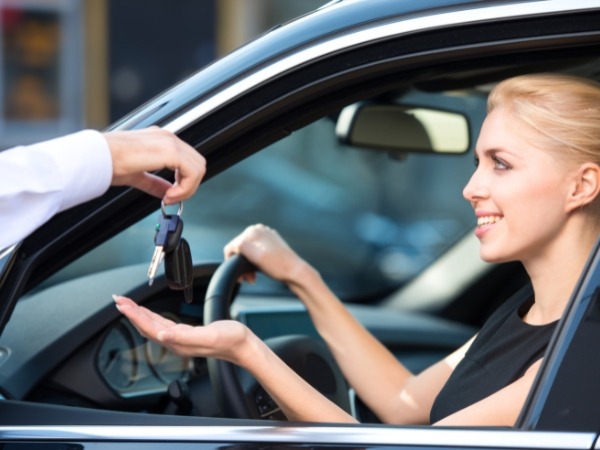
Renting a car in Egypt is not just a smart logistical choice. It is the difference between seeing the pyramids through a bus window and exploring the Giza Plateau early in the morning, beating the crowds and the heat. By securing the requirements, respecting the local driving culture, and choosing the right vehicle for the terrain, you unlock a version of Egypt that remains hidden from the average tourist.
The Egyptian roads are more inviting than ever, offering a bridge between the ancient wonders of the Nile Valley and the futuristic infrastructures of the New Administrative Capital. So, pack your sense of adventure, and prepare for the road trip of a lifetime. Book a rental car in Egypt on Final Rentals and find out what lies beyond the usual tourist paths.