Travelling through Egypt is an exciting adventure, whether you are exploring ancient cities, relaxing at coastal resorts, or driving along the desert highways that connect them. Understanding how fuel stations operate and familiarising yourself with local road etiquette are essential, as Egypt’s roads are lively and often shared by cars, buses, scooters, donkey carts, and pedestrians.
Knowing what to expect helps make your journey smoother and safer. Whether navigating Cairo’s busy streets, cruising the Red Sea coast, or travelling between historic cities like Luxor and Aswan, having the right information ensures a more confident and comfortable experience. From fuel station tips to local driving behaviour, road rules, and safety practices, these insights will help you travel smarter and explain why many visitors prefer to rent a car in Egypt to explore freely.
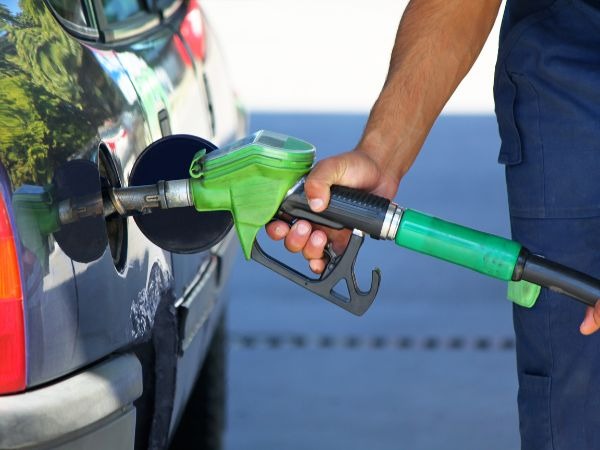
Fuel stations in Egypt are easy to find, especially in cities like Cairo, Alexandria, Giza, Hurghada, Sharm El-Sheikh, and Luxor. Fuel is affordable, and attendants usually handle filling and payment. You can request a full tank, a specific number of litres, or a set amount of money, with payment typically in cash or by card at larger stations.
On major highways, stations are well spaced, but in desert or rural areas, distances can be longer, so it’s wise to fill up before starting your journey. If travelling through South Sinai or Upper Egypt, check fuel availability in advance and refill whenever possible.
In Egypt, the most common fuels are 92-octane and 95-octane petrol, with diesel available for larger vehicles. Your rental company will specify the fuel your car requires. Using the correct fuel ensures the car runs smoothly and avoids issues. Most modern rental cars use 92-octane, which is widely available, while 95-octane is found mainly in major cities and on main roads. In rural areas, it may be less common, so asking the attendant for help is normal.
Fuel stations in Egypt offer a variety of useful services that can make your journey more comfortable, especially during long drives between cities or through rural areas. Beyond filling your tank, many stations provide convenient amenities that help travellers stay prepared on the road.
Egypt’s major highways are well-maintained, and fuel is generally easy to find. Roads like the Cairo–Alexandria Desert Road, Cairo to Ain Sokhna, and the Red Sea coast to Hurghada have service stations every 30–40 kilometres. In rural areas or routes between Luxor and Aswan, stations are more spread out, so it’s best to fill up in main cities before setting off. For desert routes such as the White Desert or Bahariya Oasis, planning is essential. Always start with a full tank and refuel at reputable stations whenever possible.
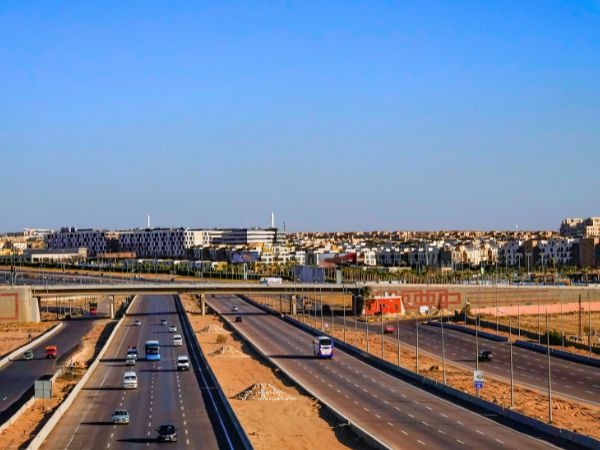
Driving in Egypt has its own rhythm, and understanding local habits can make your journey much safer and more enjoyable. The roads are lively, fast-paced, and full of different vehicles, so being aware of common behaviours helps you adapt quickly.
Roundabouts are common throughout Egyptian cities, and vehicles already inside usually have priority. However, cars may enter quickly from different directions, so it’s best to approach slowly and check carefully before merging. Intersections can also be lively, especially in busy neighbourhoods where traffic moves in different patterns.
Pedestrians, scooters, and bicycles often weave through the road alongside cars, making patience and awareness essential. While major cities like Cairo and Alexandria use traffic lights to manage flow, smaller towns often rely on informal negotiation. Some local drivers may treat red lights cautiously late at night, but as a visitor, the safest approach is to follow official rules and stop whenever the light turns red.
Driving on Egypt’s motorways is often more relaxed than driving in crowded city streets. The roads are generally well-paved and well-signposted, especially on major routes connecting Cairo with Alexandria, Ismailia, Port Said, Ain Sokhna, and Hurghada. Speed limits are clearly marked, and many stretches of road use speed cameras.
Slower vehicles, such as trucks and buses, often keep to the right-hand lane. Overtaking is common and expected, but it is done with clear signalling. Rest stops appear regularly along the motorways, offering food, drinks, restrooms, prayer spaces, and places to relax. These stops are convenient for families and long-distance travellers.
Cairo and Alexandria are two of the busiest cities in Egypt, and driving here is a unique experience. Streets can be crowded, and the flow of traffic often feels more like a flowing river than a controlled system. Cars, taxis, microbuses, tuk-tuks, and pedestrians all share the space. It may seem chaotic at first, but there is a rhythm to the movement.
Drivers are alert, skilful, and used to adjusting quickly. If you are new to driving in Egypt, staying calm and patient helps you blend into traffic more easily. Parking in city centres can be a challenge, but many areas have attendants who help guide cars into parking spaces. Paying a small fee is normal. If you prefer not to drive in the busiest neighbourhoods, you can park in quieter areas and walk or take a short taxi ride.
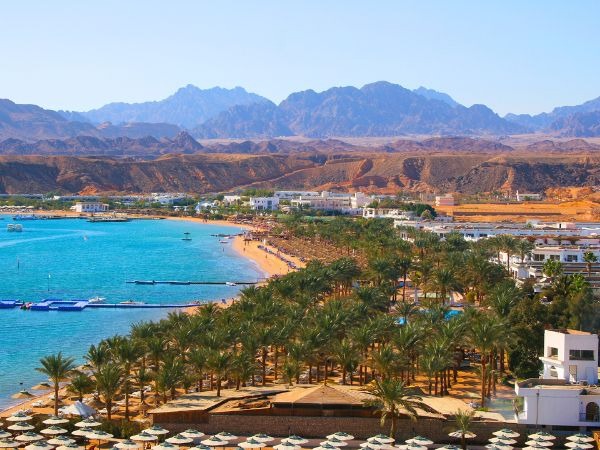
Tourist destinations like Hurghada, Sharm El-Sheikh, Dahab, Luxor, Marsa Alam, and El Gouna offer calmer driving conditions compared to Cairo. Roads are wider, traffic is lighter, and the atmosphere is more relaxed. Many tourists enjoy renting a car in these areas to explore beaches, diving spots, local markets, and desert landscapes.
The roads along the Red Sea coast are particularly beautiful, with long stretches of blue water on one side and desert mountains on the other. Roadblocks and checkpoints are common in Sinai and Upper Egypt, but they are routine and usually quick. Having your rental documents and passport ready makes the process smooth.
Pedestrians often cross the road wherever it’s convenient, even if there is no designated crossing. They may appear suddenly, so staying alert is essential. Drivers usually slow down, allowing people to cross when needed. If you see a family or an elderly person waiting to cross, slowing down to give them space is the polite and expected thing to do.
In tourist areas, such as Luxor’s Corniche or Hurghada’s Marina, pedestrians are numerous, especially in the evening. Driving slowly and keeping a safe distance helps ensure safety for everyone.
Driving at night in Egypt requires extra caution. Some roads may have limited lighting, and slower vehicles such as donkey carts, scooters, or bicycles may be harder to see. Staying in the main lane, reducing speed, and using high beams when safe help you navigate. In cities, night driving is lively but easier during late hours once traffic has thinned. In rural areas, it’s better to plan your travel during daylight whenever possible.
Driving safely in Egypt becomes much easier when you follow a few practical habits. These simple reminders help you stay prepared, avoid stress, and enjoy your journey with confidence.
These simple habits help create a smoother and more comfortable driving experience.
Many visitors choose to rent a car in Egypt because it gives them complete freedom over their travel schedule. Instead of relying on taxis or buses, renting a vehicle allows you to visit attractions at your own pace, stop whenever you want, and travel comfortably with your luggage. Whether you need a compact car for city driving or a larger SUV for coastal or desert trips, renting makes exploring Egypt easier. With your own car, you can stop at viewpoints, visit small towns, travel early or late, and enjoy a road trip on your own terms.

Renting a car becomes much easier when you choose a service designed for convenience, flexibility, and reliability. Final Rentals offers travellers a straightforward way to explore the country with comfort and confidence, no matter where the journey leads.
For more helpful guidance, read A First-Time Traveller's Guide to Renting a Car and Driving in Egypt
Understanding how fuel stations operate and being familiar with road etiquette in Egypt helps make every trip safer, easier, and more enjoyable. With the right preparation and a dependable vehicle, you can explore Egypt’s vibrant cities, open deserts, coastal roads, and historic landmarks with confidence.
Whether you are visiting for business, relaxation, or a long exploration, choosing to rent a car in Egypt with Final Rentals gives you the freedom to move at your own pace and enjoy the journey fully. Stay prepared, drive mindfully, and embrace everything Egypt has to offer as you travel toward your next unforgettable experience!