Egypt is a country perfect for a driving adventure. With your own vehicle, you can explore remote areas like the Western Desert and the Red Sea coast at your own pace, free from crowded buses and rigid schedules. However, navigating Egyptian roads requires a clear understanding of the local landscape, as the driving culture and traffic rules may vary significantly from what you are used to.
Driving in Egypt can be both exciting and challenging, especially when you prioritise safety. Although the country has improved its road infrastructure in recent years, traffic can be unpredictable, particularly in busy areas like Cairo. To drive safely, it's essential to adopt a defensive mindset and remain aware of your surroundings. This article provides essential guidelines to ensure a smoother and safer journey for yourself and others on the road.
Before you get behind the wheel, it is vital to understand the legal framework of driving in Egypt. While the traffic may seem chaotic, the Egyptian Traffic Police are active, and the laws are strictly enforced, particularly at the numerous checkpoints across the country.
To legally drive in Egypt as a tourist, you must have a valid national driving licence from your home country and an International Driving Permit (IDP). Most car rental agencies will not release your vehicle without an IDP, and more importantly, your travel insurance may be voided if you are involved in an accident without one.
The legal driving age for locals is 18, but most rental companies set their own minimum age requirements for tourists, typically at 21 years old. If you are below 25 or over the age of 70, be prepared to pay for a Young or Senior Driver Surcharge, which is a daily fee added to your base rate. This is charged due to the perceived high insurance risks for younger and older drivers.
Traffic in Egypt moves on the right-hand side of the road, and overtaking is generally done on the left. Speed limits are clearly defined but can change abruptly. In urban areas, the limit is usually 60 km/h. On rural roads, this increases to 90 km/h, while on major expressways, the limit is typically 120 km/h. Modern radar technology is now used extensively to track speed and detect if a driver is using a handheld mobile phone or not wearing a seatbelt.
Seatbelts are required for the driver and all passengers. Furthermore, the use of handheld mobile devices while driving is a punishable offence. If you need to use navigation, ensure your phone is mounted on a dashboard holder before you begin your journey. Additionally, Egypt has a zero-tolerance policy regarding driving under the influence of alcohol. The penalties for this are severe, involving heavy fines and potential imprisonment.
The risks associated with driving in Egypt are often different from those encountered in other countries. It is very important to focus on the road and watch out for these hazards to avoid accidents and have a smooth journey.
Although Egypt is seeking to improve its infrastructure, there are still several issues that you might encounter. While the main highways are excellent, secondary roads may suffer from sudden potholes or sand drifts. In the desert, wind can blow significant amounts of sand across the asphalt, reducing traction and visibility.
Another significant danger is the unmarked speed bumps, known locally as "sleeping policemen". These are frequently placed at the entrances to villages or near schools on what otherwise appear to be high-speed roads. Hitting one of these at 100 km/h can cause huge damage to a rental car.
Night driving presents perhaps the greatest safety risk. In rural areas, it is common to encounter "ghost vehicles”, such as trucks, tractors, or donkey carts, travelling without any lights. Additionally, pedestrians and livestock often cross unlit sections of the highway. Furthermore, the lack of ambient lighting on many secondary roads makes it difficult to judge distances or spot hazards until they are dangerously close. For these reasons, it is highly advisable to complete all your long-distance trips before sunset.
Traffic can seem chaotic, and lane discipline is largely nonexistent. Drivers will often straddle lines or create new lanes entirely. To stay safe, you must learn to follow the traffic flow rather than the paint on the ground. Always maintain a generous following distance, as vehicles in front of you may stop abruptly to pick up or drop off passengers.
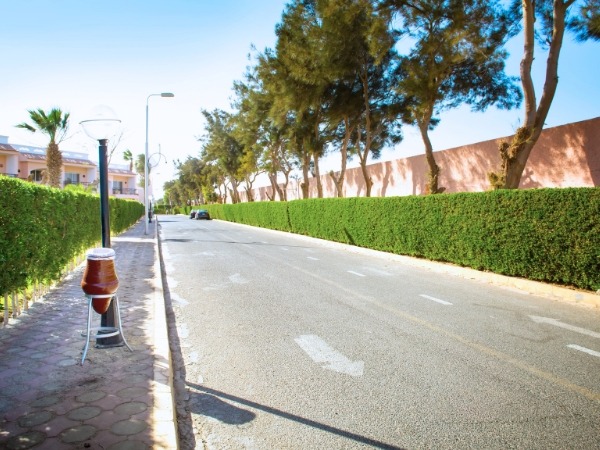
Security is a high priority for the Egyptian government, and as a tourist driving a car, you will be highly visible. This is generally a benefit, as the authorities go to great lengths to ensure the safety of visitors.
You will frequently encounter security checkpoints when moving between provinces or entering major tourist zones. When approaching a checkpoint, slow down, turn off your high beams, and have your passport and rental documents ready. Remain calm and respectful. A polite "Salaam" and a smile usually ensure a quick passage.
It is important to know that there are specific geographical areas where driving is prohibited or dangerous for tourists. The North Sinai region is a restricted military zone and should be avoided entirely. Travel to the Western Desert, particularly near the border with Libya, often requires special permits and sometimes a military escort. Always check the latest travel advice from your embassy before planning a route into remote border regions.
Within cities, fender benders can sometimes lead to heated arguments. If you are involved in a minor collision and feel intimidated by a crowd, it is often safer to stay inside your vehicle with the doors locked until the police arrive. In tourist areas, the Tourist Police, identifiable by their white uniforms in summer and black in winter, are specifically trained to assist foreigners and should be your first point of contact for any security-related issues.
No matter how careful you are, accidents can still happen. It is vital to know what you should do when things go wrong on the road, whether it is a simple car breakdown, a minor fender bender, or a major collision.
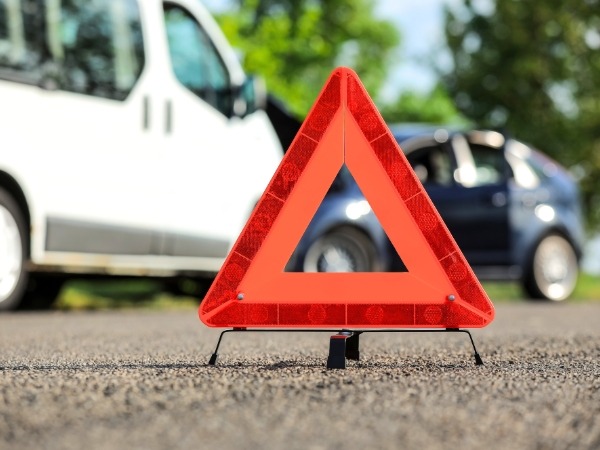
Preparation is the cornerstone of safe driving in Egypt. Before leaving the rental agency, ensure your vehicle is equipped with a spare tyre, a jack, a fire extinguisher, and a warning triangle. In the heat of the Egyptian sun, a mechanical breakdown can quickly turn from an inconvenience into a health risk, so always carry several litres of bottled water and a fully charged mobile phone.
In the event of an emergency, the national number for the police is 122, while the ambulance service is 123. For tourists, the most important number is often 126, which connects you to the Tourist Police. They usually have English-speaking officers available to mediate and provide assistance. You should also save the 24/7 roadside assistance number provided by your rental company.
If you are involved in an accident, do not move the vehicle unless it is in a position that poses an immediate danger to others. Contact the authorities immediately, because a police report is mandatory for any insurance claim in Egypt, regardless of whether the accident is major or minor.
Ensure you take clear photographs of the damage to all vehicles involved and the surrounding road conditions. Avoid admitting fault on the spot and patiently wait for the official traffic report to be processed. You should also contact your rental agency, so they can assist you with the insurance claims.
Driving in Egypt is a challenging but ultimately rewarding experience for adventurous travellers. It offers a level of immersion that is impossible to achieve through any other form of travel. By respecting the local laws, staying alert to the unique hazards of the desert and the city, and maintaining a calm, defensive driving style, you can navigate the country with confidence.
The wonders of Egypt are waiting to be explored. From the breathtaking heights of the Sinai mountains to the lush greenery of the Nile Delta, the road is your path to discovery. Do not let the reputation of Cairo’s traffic deter you from the freedom of a self-drive adventure. Take the time to secure the correct permits, choose a reliable rental vehicle, and commit to the principles of safe driving in Egypt.
Would you like to see the wonders of the ancient world at your own pace? Booking a rental car has become easier, with international and local agencies available at airports and in major cities such as Cairo and Sharm El-Sheikh. Rent a car for your next Egyptian adventure, keep your eyes on the road, and drive safely.